Learning by Doing: Why Simulation Beats Traditional Training
Why practice in realistic scenarios prepares frontline teams better than slides and passive e-learning, and how to start without rebuilding your entire training plan.
- PDF · 10 pages · 15 min
- For training, HR, EHS and operations leaders
What's inside
- What learning science says about forgetting, retrieval and practice
- Comparison table: classroom, e-learning, video and simulation
- How to measure decisions and performance instead of attendance
- Checklist to choose which processes to simulate first
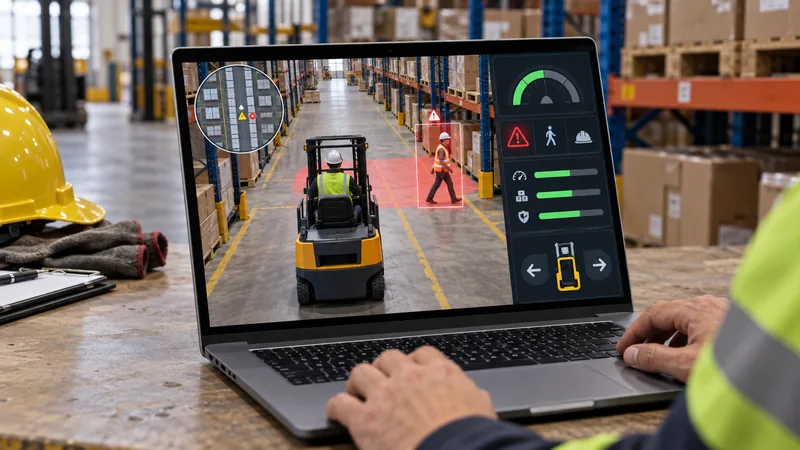
 WhitepaperLearning by Doing: Why Simulation Beats Traditional Training
Download it free
Leave your details and the download starts right away.
What it's about
In operations, training rarely fails for lack of content. It fails because people finish the course, pass the quiz and, a few weeks later, standing at the machine, the dock or in front of a customer, either don't remember what to do or don't do it the way the manual says. The dominant formats (slide decks, videos and click-next e-learning) are built to deliver information, not to build the ability to make decisions under pressure.
This whitepaper pulls together well-established principles from learning science (the forgetting curve, retrieval practice, deliberate practice and transfer of training) and turns them into concrete decisions for frontline teams. The bottom line is simple: people learn to do the job by practicing the job, in scenarios that look like reality, with immediate feedback and permission to get it wrong without consequences.
We also lay out a practical way to get started: compare formats against the learning goal, measure decisions instead of attendance, and use a checklist to pick the first processes to simulate. You don't need to replace your whole training plan. You only need to move the moments where a mistake is expensive into practice.
What you take away.
Completing a course is not the same as knowing how to do the job: attendance measures exposure, not competence.
Active recall and frequent practice fight forgetting better than rereading or rewatching a video.
Safe failure is a learning tool: a mistake in a simulation is cheap; on the line, it isn't.
Transfer to the job improves when the scenario mirrors real work and practice continues after the course.
Start with processes that are critical, infrequent or costly to practice live, and measure decisions from day one.
More reports and whitepapers.
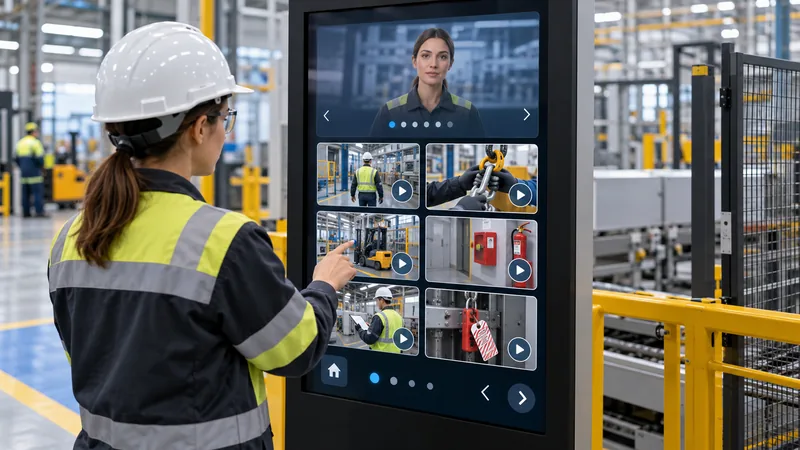 WhitepaperFrom Compliance to Prevention: Safety Training with SimulationWhitepaper · 10 pagesFrom Compliance to Prevention: Safety Training with SimulationWhy sign-in sheets don't change behavior, which high-risk tasks are worth simulating, and how to measure and document practice.
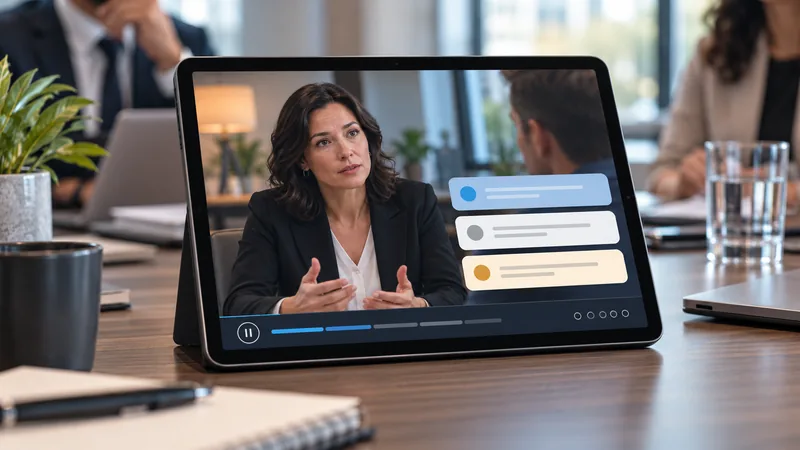 WhitepaperGenerative AI in Frontline TrainingWhitepaper · 9 pagesGenerative AI in Frontline TrainingUse cases, risks and a governance framework for AI tutors and roleplays with frontline teams, plus a phased roadmap and a pilot checklist.
 ReportHow to Calculate Training ROI: Model, Template and Worked ExampleReport · 11 pagesHow to Calculate Training ROI: Model, Template and Worked ExampleKirkpatrick, Phillips, formulas, operational KPIs to monetize, a fill-in template and an illustrative example worked step by step.